
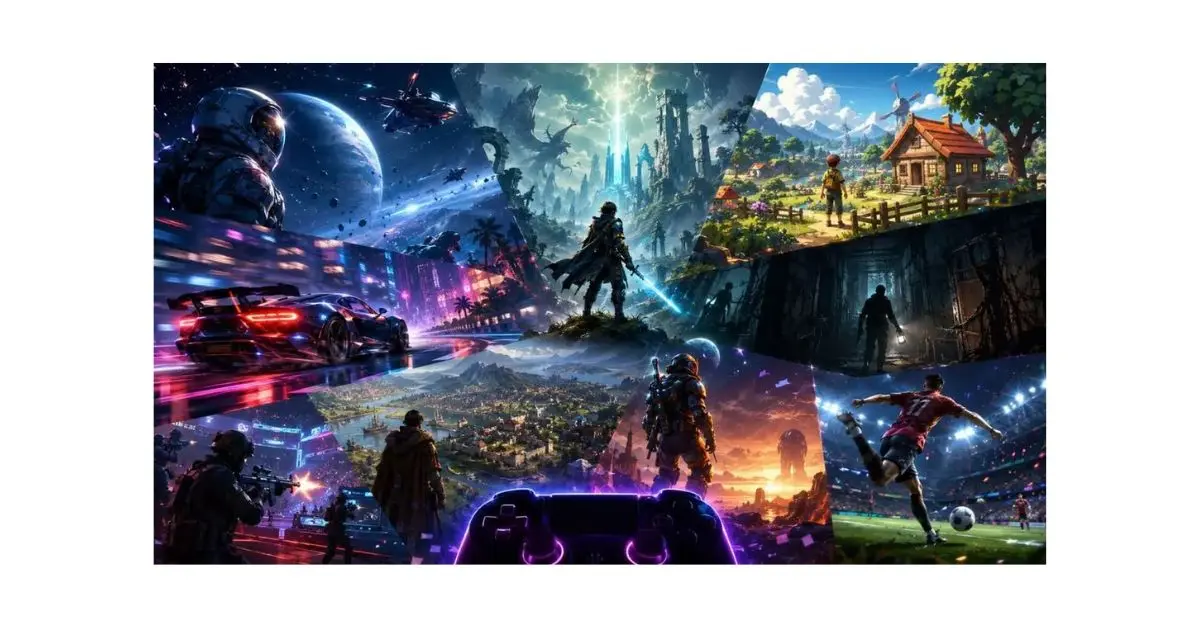
The modern video game landscape changes incredibly fast. Developers constantly push digital modifications to keep interactive environments fresh, stable, and highly engaging for players worldwide. If you want to keep up with your favorite virtual worlds, understanding the biggest game updates and patch notes is your secret weapon for success.
Many players launch their software applications without reviewing what actually changed behind the scenes. This can lead to massive confusion when your favorite strategy stops working or a character feels completely different. Staying updated ensures you maintain a distinct competitive advantage over your opponents.
Whether you enjoy intense competitive multiplayer experiences or expansive single-player role-playing journeys, tracking these operational shifts is essential. This detailed guide breaks down everything from deep development documentation to micro-adjustments in live software environments. Let us dive deep into how you can decode developer communications and master the game.
What is Biggest Game Updates and Patch Notes?

The concept of the biggest game updates and patch notes refers to the comprehensive documentation and digital delivery of modifications made to a video game after its public release. An update is the actual downloadable file package that rewrites portions of the digital code. Patch notes represent the explicit text-based changelog provided by game developers to explain those specific modifications.
When developers build massive shifts into live-service titles, these collections of documents highlight balancing tweaks, technical fixes, and fresh operational elements. These documents serve as the official bridge between the engineering studio and the player community. They explicitly outline architectural re-configurations, character balancing shifts, and user interface redesigns.
Understanding these files allows you to decipher how a virtual universe operates at a mechanical level. Instead of guessing why an item feels altered, these systematic texts provide immediate, concrete data points regarding the software ecosystem.
Why is Biggest Game Updates and Patch Notes Important?

Tracking the biggest game updates and patch notes is vital because a single software modification can entirely rewrite the balance of power in an interactive environment. If you want to play efficiently, relying on outdated operational knowledge will consistently hold you back in match-made activities.
- Meta Shifting Realities: In gaming, the acronym META stands for Most Effective Tactic Available. Major patches instantly alter weapon efficiencies, character capabilities, and optimal resource pathways.
- Technical Optimization Insights: Development adjustments regularly fix major structural flaws, memory leaks, frame-rate drops, and networking issues. Reading the text tells you if performance has improved.
- Economic Strategy Adjustments: Many virtual worlds feature complex internal marketplaces. Patch announcements let smart consumers predict which virtual assets will spike in transactional value.
- Security Protocol Enhancements: Modern online titles struggle against malicious software exploitation. Patch text often updates the community on anti-cheat advancements and account protection measures.
Detailed Step-by-Step Guide to Navigating Updates
To fully leverage the biggest game updates and patch notes, you need a reliable method to parse complex technical logs quickly. Follow this systematic walkthrough to read developer documentation like a seasoned esports professional.
Step 1: Identify Official Distribution Platforms
Never rely on unverified community rumors or third-party message board leaks for accurate data. Always seek out the primary publication source managed directly by the creative studio.
- Official Developer Web Portals: Most studios maintain dedicated blogs specifically for engineering logs and service alerts.
- Integrated Launcher Dashboards: Modern desktop gaming clients display recent structural logs directly beneath the application launch trigger.
- Verified Social Broadcasting Channels: Development teams utilize dedicated notification feeds to communicate server down-time and build deployment schedules.
Step 2: Categorize the Modification Scope
When you open a massive changelog document, immediately classify the scale of the deployment. This helps you understand how deeply the changes will affect your daily gaming routine.
- Expansion Level Deployments: These add massive geographic zones, primary narrative pathways, and completely fresh mechanical systems to the software framework.
- Numerical Mid-Season Patches: These focus primarily on balance stabilization, system refinement, and minor seasonal content introductions.
- Hotfix Structural Micro-Updates: Urgent deployments meant to resolve catastrophic software instability, server disconnects, or breaking gameplay exploits.
Step 3: Analyze the Core Balancing Metric
Scroll past the initial introductory fluff and locate the section dedicated to character or weapon adjustments. This is where the practical application of your research truly begins.
- Identify Buff Metrics: A buff represents an increase in effectiveness, damage, speed, or utility for a specific asset. Focus on these to discover strong new strategies.
- Identify Nerf Metrics: A nerf signifies a intentional reduction in power or utility designed to curb over-performing elements. Move away from these strategies immediately.
- Analyze Variable Scaling Changes: Look closely at actual percentage shifts or data value adjustments rather than relying purely on descriptive adjectives.
Step 4: Map Changes to Personal Playstyles
Conclude your systematic review by directly translating the dry technical data into actionable steps for your real-time gameplay sessions.
- Audit Personal Loadouts: Compare your active digital equipment against the modified data tables to verify if your efficiency has decreased.
- Adjust Resource Priority Allocations: If crafting formulas or drop rates have shifted, alter your farming pathways across the digital landscape accordingly.
- Test Mechanical Interactions Live: Jump into casual or offline training environments to manually feel out altered animation timings or physical positioning dynamics.
Benefits of Tracking Major Game Updates
Staying fully informed about the biggest game updates and patch notes provides an array of functional advantages that elevate your overall entertainment experience.
- Immediate Competitive Advantage: You can instantly deploy optimal tactics while uneducated players continue to use weakened or broken strategies.
- Drastic Time Conservation: Avoid wasting hours grinding for resources that developers recently made easier to obtain or completely irrelevant.
- Technical Troubleshooting Proficiency: Knowing exactly what broke or fixed in the digital environment allows you to configure your computer settings accurately.
- Enhanced Community Leadership Status: Sharing synthesized, clear operational data makes you an invaluable asset to your clan or social circle.
- Strategic Investment Security: Protect your virtual currency balances from sudden market devaluations caused by system overhauls.
Disadvantages and Risks of Ignoring Patches
Neglecting to follow the biggest game updates and patch notes can lead to major setbacks and ruin your enjoyment of a game.
- Severe Performance Frustration: You might spend hours trying to fix hardware components when your frame-rate drops are actually caused by a known software bug.
- Rapid Competitive Stagnation: Your win ratios will plummet as you consistently run outdated setups into optimized opponent strategies.
- Wasted Virtual Financial Capital: Purchasing virtual items right before developers deploy a massive nerf can ruin your in-game financial standing.
- Involuntary Disconnection Hardships: Launching outdated software builds can cause sudden authentication issues during important matches.
- Deep Mechanical Confusion: Missing systemic mechanical changes will make your inputs feel unresponsive or broken, ruining your immersion.
Common Mistakes to Avoid
Even experienced enthusiasts frequently fall into critical traps when handling the biggest game updates and patch notes. Being aware of these errors will keep you ahead of the curve.
Reacting to Emotional Community Backlash
Do not base your entire strategic outlook on loud online outcries immediately following a patch announcement. Mass forums often exaggerate minor adjustments before testing the actual code live. Always download the build and evaluate the tangible differences yourself before abandoning a strategy.
Overlooking Secondary Technical Sections
Many players only read the major character adjustments and completely ignore the quality-of-life or network optimization data. Often, subtle changes to controller dead-zones, graphical rendering techniques, or matchmaking parameters have a massive impact on your actual performance.
Assuming Notes Are 100% Comprehensive
Development environments are incredibly complex, and undocumented changes frequently slip into final public deployments. These are often referred to as ninja patches. Always couple your text-based reading with real-world observation to catch accidental changes to physics engines or animation frames.
FAQs
What is the difference between a patch and an update?
An update is an umbrella term for any data modification added to existing software frameworks, often containing fresh visual assets, audio tracks, and system overhauls. A patch is a specific sub-type of update designed explicitly to fix errors, optimize performance, or adjust mechanical balance within pre-existing structures.
How often do modern live-service titles receive major patches?
Most contemporary live-service operations follow a strict bi-weekly or monthly schedule for minor balancing adjustments. Major content additions and system re-architectures typically drop alongside seasonal resets, which generally happen every three to four months.
Why do developers regularly nerf popular strategies?
Developers use nerfs to maintain long-term competitive health and prevent gameplay from becoming stale. When a single strategy becomes clearly superior, it eliminates creative choice and ruins the fun. Reducing its power forces players to explore new tactics and keeps the experience engaging.
Where can I find the absolute most reliable patch notes?
The most reliable source is always the official web portal managed by the game’s development studio or publisher. Avoid secondary social aggregates or user-edited wikis when looking for exact numerical changes, as typos and misunderstandings are common on unverified platforms.
Can a major update accidentally corrupt my save files?
Yes, structural data modifications can occasionally conflict with older legacy save states, especially in complex role-playing games or early-access builds. It is highly recommended to create manual external backups of your local save directories before applying massive foundational updates.
What should I do if a patch ruins my favorite character?
Look at the notes to see if any underutilized assets were improved to offset the changes. Often, a nerf to one area opens up strong new opportunities in another. Take the time to experiment with different setups in casual modes to adapt your playstyle to the new balance.
Expert Tips and Bonus Points
To truly excel at interpreting the biggest game updates and patch notes, you need to think like a developer. Implement these advanced strategies to maximize your technical efficiency.
Pro Tip: Look for systemic systemic re-architectures rather than simple numerical adjustments. A 5% damage reduction to a weapon is minor, but a fundamental change to how damage registers can completely redefine the game.
Keep a personal digital log of major patches for your primary games. Tracking structural patterns over time lets you predict future balancing choices. Developers usually balance iteratively, meaning a minor change this month often points toward a major shift coming in the next big season.
Finally, always read the developer commentary sections if they are available. These brief paragraphs explain the team’s underlying goals and design philosophy. Knowing why a change was made makes it much easier to guess where the competitive scene is heading next.
Conclusion
Mastering the tracking of the biggest game updates and patch notes is a critical skill for any modern gamer. Instead of looking at these technical documents as boring logs, view them as a clear map of an evolving virtual world. Staying informed keeps you from being blindsided by sudden mechanical shifts and gives you a clear advantage over the competition.
Consistently checking official channels and breaking down balancing data saves you valuable time and effort. This proactive approach turns unexpected software shifts into great opportunities to improve your rank, optimize your setups, and outsmart your opponents.
As virtual worlds continue to grow and change, being able to read and adapt to these notes will keep you ahead of the game. Keep your software updated, study the data carefully, and use these regular updates to reach new heights in your favorite games.
This comprehensive game release overview highlights some of the biggest incoming titles and their structural overhauls, providing excellent context on how modern expansion-level updates are deployed across different platforms.
